Rio de Janeiro is not a city to be rushed. Its experiences are shaped as much by geography as by rhythm, and understanding both is key to exploring it well.
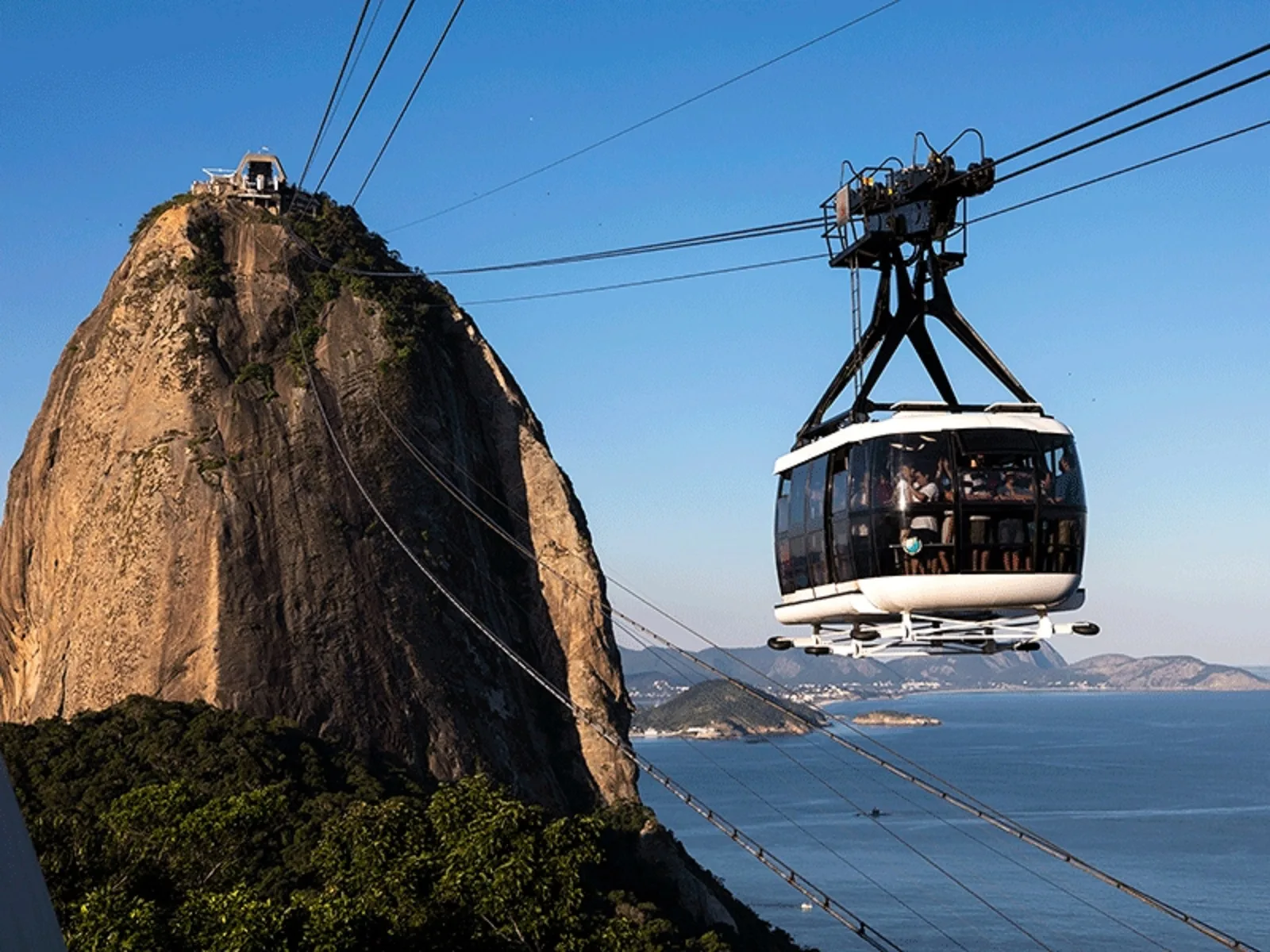
Start with the icons. Christ the Redeemer and Sugarloaf Mountain are not just attractions — they are perspectives. Together, they reveal how the city is structured between ocean and mountains.
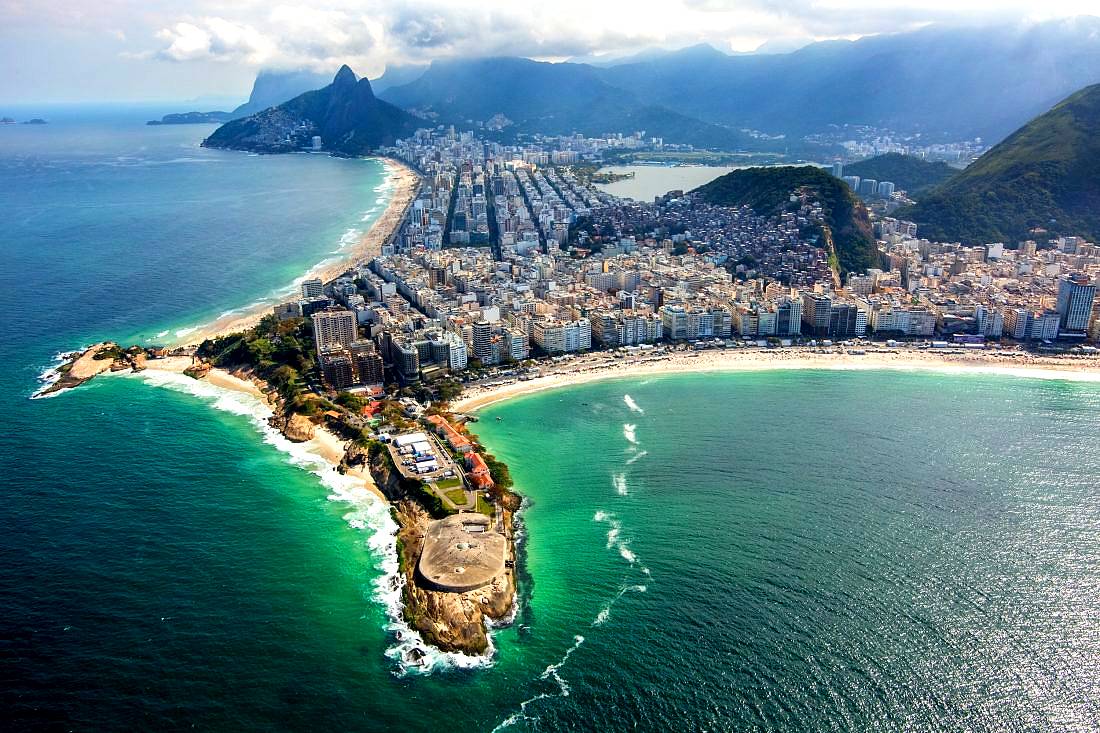
Move to the beaches. Copacabana and Ipanema are not simply places to relax, but social spaces where daily life unfolds. Walking their full length gives a better understanding of Rio than any itinerary.
Beyond the obvious, the city rewards curiosity. Santa Teresa offers a glimpse into a slower, more artistic side of Rio, while Lapa connects past and present through its architecture and nightlife.
Nature is never far. Tijuca National Park introduces a completely different dimension, where dense rainforest exists within the boundaries of a major city.
Timing matters. Early mornings are quieter and clearer, while late afternoons carry a golden light that transforms the landscape.
What makes Rio unique is not any single attraction, but how all of these elements interact. Ocean, mountain, and city do not compete — they coexist in a way that defines the experience.
The best way to explore Rio is not to check off locations, but to move through it with intention, allowing each place to reveal its role in the larger picture.